
Asiye eTafuleni (AeT) works alongside informal workers and has gained unparalleled local knowledge, networks and credibility. AeT operates across these four work-streams, there are few organizations that have the capacity to do research, advocacy, education, design, as well as implementation.
[av_content_slider heading=” columns=’4′ animation=’slide’ navigation=’arrows’ autoplay=’false’ interval=’5′ font_color=’custom’ color=’#a00e21′ av_uid=’av-k1ahmuu0′ custom_class=”]
[av_content_slide title=’Inclusive Design’ link=’page,2781′ linktarget=” av_uid=’av-3hxq9′]

Urban planning and design are key drivers of change that can support the livelihoods of informal workers…
[/av_content_slide]
[av_content_slide title=’Urban Advocacy’ link=’page,2775′ linktarget=” av_uid=’av-966h’]
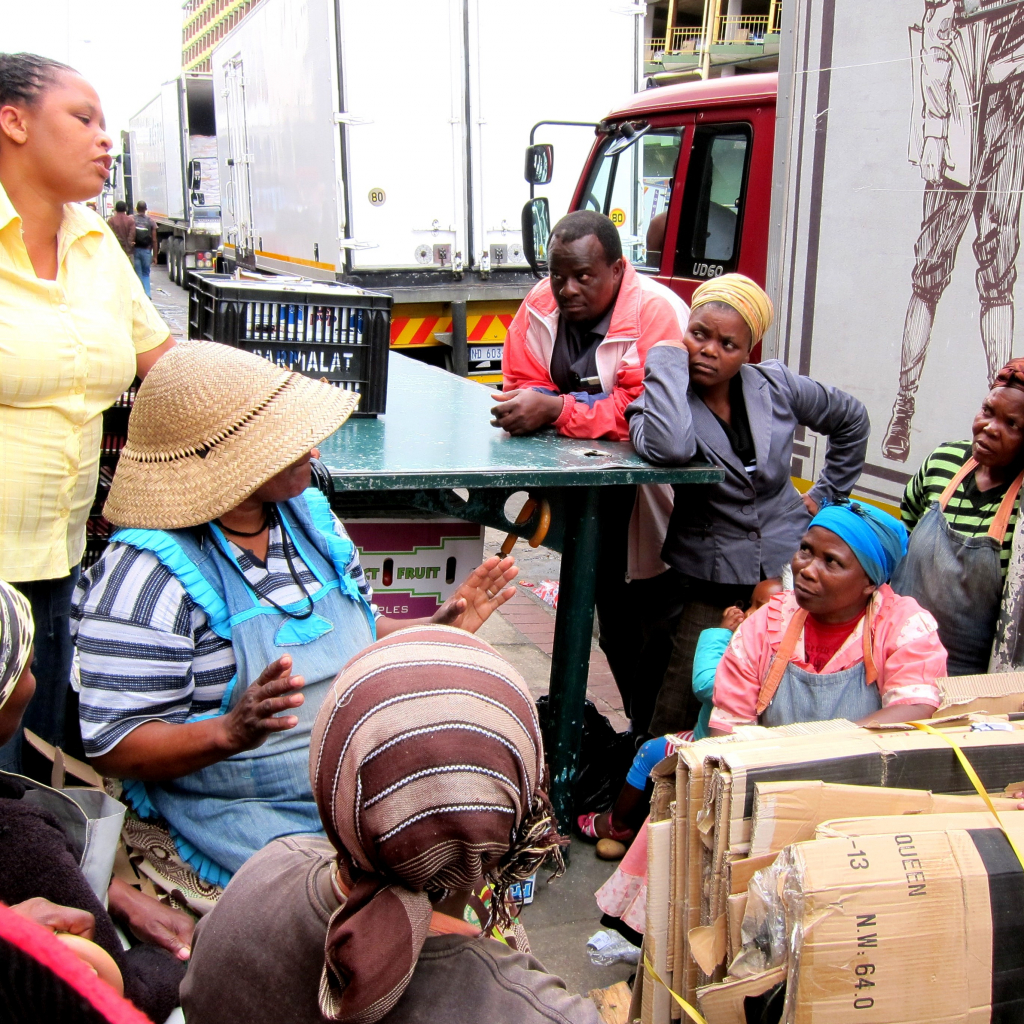 AeT works to increase the voice and visibility of informal workers within urban planning and policy processes…
[/av_content_slide]
[av_content_slide title=’Urban Education’ link=’page,2777′ linktarget=” av_uid=’av-2a5vp’]
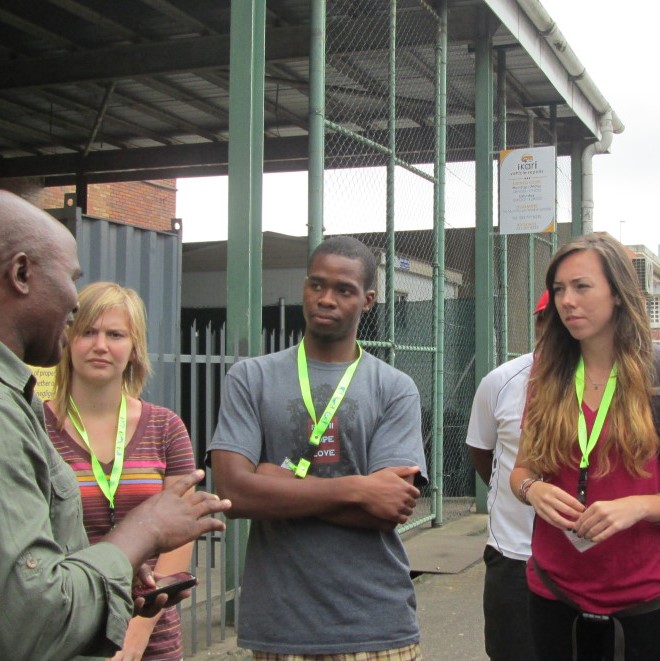
In conjunction with our advocacy work, AeT also provides opportunities for the students, the general public, tourists…
[/av_content_slide]
[av_content_slide title=’Urban Intelligence’ link=’page,2783′ linktarget=” av_uid=’av-19ekt’]
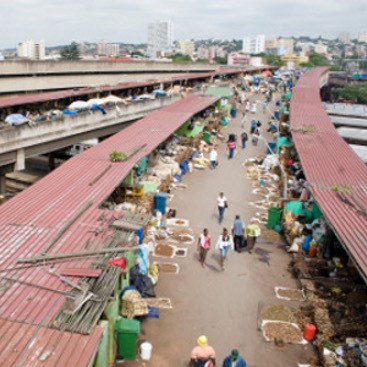
AeT works to widen and deepen urban intelligence so that local, national and international stakeholders can engage…
[/av_content_slide]
[/av_content_slider]